
Don't Let Winter Break Your Boiler: Your Complete Guide to Winter Boiler Service
Winter brings boiler breakdowns. Learn essential maintenance tips, a complete pre-winter checklist, and answers to 5 FAQs to keep your heating system reliable all season.
- Gas Safe registered and fully insured
- DBS-checked engineers
- Emergency callout available 24/7
- Price agreed before work starts
Mon–Fri 8:00–17:30 · Emergency callout available 24/7
Need this looked at properly?
Three details get an engineer moving. The rest is optional.
Thanks — we’ve got it
We’ll come back to you on the number you gave us. If it’s urgent and you’d rather not wait, call 020 3488 3737.
14 September 2026
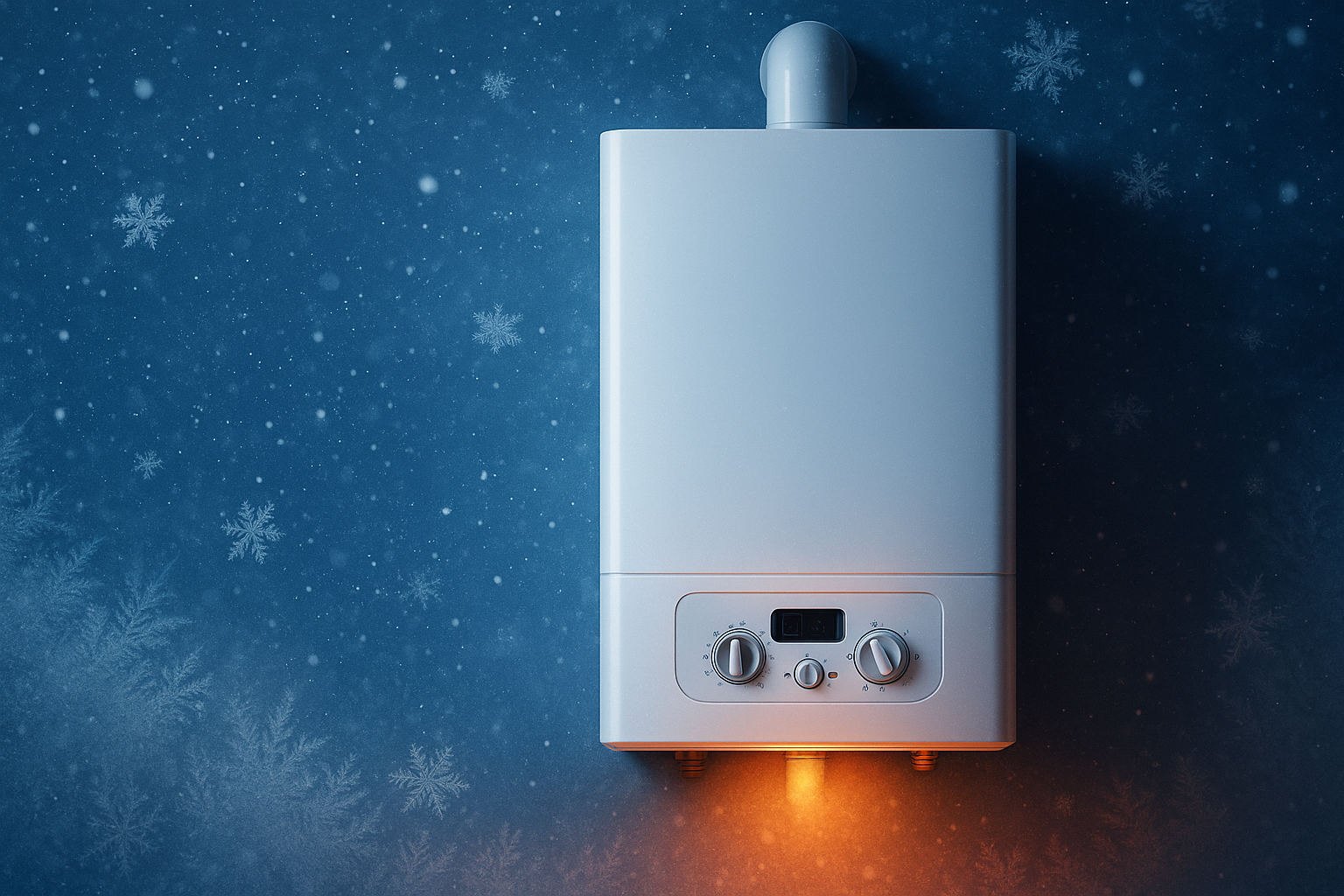
Winter is coming, and so is the surge in boiler breakdowns. Every year, we see a spike in emergency calls between November and February as temperature drops put extra pressure on heating systems across London. But here's the good news: most winter boiler disasters are completely preventable with proper maintenance. Here's everything you need to know to keep your home warm and your boiler running smoothly this winter.
Why Winter Boiler Service Matters
Your boiler works harder in winter than any other time of year. When temperatures drop, your heating system runs continuously to keep your home comfortable—sometimes for 12+ hours a day. This increased workload puts strain on every component, from the burner and heat exchanger to the pump and controls.
Add in cold weather's other challenges—frozen condensate pipes, reduced efficiency in freezing temperatures, and colder water intake—and you've got the perfect recipe for breakdowns. A well-serviced boiler handles these challenges; a neglected one often doesn't.
The Essential Winter Boiler Checklist
1. Book Your Service Before November
Don't wait until your boiler fails on the coldest night of the year. Heating engineers are busiest (and most expensive) during winter. Scheduling your service in October or early November means:
- Better availability for appointments
- Potentially lower service costs
- Time to address any issues before cold weather hits
- Peace of mind heading into winter
2. Have a Gas Safety Check
If your boiler is more than a year old, it needs an annual Gas Safety Certificate. This isn't optional—it's a legal requirement. A qualified Gas Safe registered engineer will check:
- Gas connections and fittings
- Combustion performance
- Ventilation systems
- Safety controls
3. Check Your Condensate Pipe
Modern condensate pipes carry acidic condensate away from your boiler to a drain. In winter, these pipes often freeze, blocking the outlet and causing your boiler to shut down safely (to prevent damage).
Prevention: Insulate exposed condensate pipes with pipe lagging, or run them inside the house where it's warmer. If your pipe freezes, pour warm water (never boiling) over it to thaw it gently.
4. Inspect Your Thermostat
A faulty thermostat can cause your boiler to overheat, underperform, or cycle constantly. Before winter:
- Test that your thermostat reaches your desired temperature
- Check that it's positioned away from drafts, direct sunlight, and heat sources
- Consider upgrading to a smart thermostat (they save money and improve efficiency)
5. Bleed Your Radiators
If your radiators are cold at the top or won't heat up, air may be trapped inside. Trapped air prevents hot water from circulating properly and forces your boiler to work harder. Most radiators can be bled using a simple radiator key—it's a job anyone can do in 10 minutes.
6. Monitor Your Boiler Pressure
Most modern boilers have a pressure gauge on the front. Normal operating pressure is between 1 and 1.5 bars. If the pressure is too low or too high, your boiler may not work efficiently or at all. Check the pressure gauge monthly and refer to your boiler manual for how to top it up safely.
Common Winter Boiler Problems (and How to Prevent Them)
Frozen Condensate Pipe – The most common winter issue. Insulation and proper routing solve 90% of these problems.
Low Boiler Pressure – Winter cold can cause pressure to drop. Keep an eye on your gauge and top up if needed following your manual's instructions.
Pilot Light Going Out – Drafts, corrosion, or sensor issues can extinguish the pilot light. A professional inspection before winter catches these problems early.
Reduced Efficiency – Your boiler naturally runs less efficiently in extreme cold, but a well-serviced unit performs better than one that's been neglected.
When to Call a Professional
While some maintenance you can handle yourself, certain tasks require a qualified Gas Safe engineer:
- Annual safety certificate and full service
- Replacing worn parts or seals
- Repairing leaks
- Bleeding the system (if you're unsure)
- Fault diagnosis and repair
- Upgrading or replacing your boiler
Cost aside: don't attempt complex repairs yourself. A boiler is a pressurized gas appliance—amateur work can create safety hazards.
Your Winter Boiler Service Checklist
Before October:
- Schedule your annual boiler service
- Request a Gas Safety Certificate
In October:
- Have your boiler serviced
- Inspect and insulate the condensate pipe
- Check thermostat function
- Test radiator bleeding
- Review boiler pressure
- Read your boiler manual (seriously—it has useful info)
Throughout Winter:
- Watch for warning signs (strange noises, leaks, loss of heat, pilot light issues)
- Keep condensate pipe clear and insulated
- Monitor boiler pressure monthly
- Bleed radiators as needed
Keep Warm, Keep Calm
A properly serviced boiler is your best defense against winter breakdowns. By investing in maintenance now, you'll avoid emergency call-outs, high repair costs, and cold nights without heat. Most of all, you'll have the peace of mind that comes from knowing your heating system is reliable when you need it most.
Ready to book your winter boiler service? We offer comprehensive boiler servicing, Gas Safety Certificates, and emergency repairs across all London postcodes. Call us today or request a quote online—and enjoy a warm, worry-free winter ahead.
5 Winter Boiler FAQs
Q1: How often should I service my boiler?
Your boiler should be serviced annually—ideally before winter begins. This is the manufacturer's recommendation and often a requirement of your boiler warranty. Annual servicing catches small issues before they become big problems and keeps your system running efficiently. If your boiler is over 10 years old, annual servicing becomes even more critical.
Q2: What's included in a boiler service?
A comprehensive boiler service typically includes:
- Gas safety check
- Combustion performance test
- Inspection of all internal components
- Cleaning key parts
- Checking seals and connections
- Testing safety controls
- System pressure check
- Performance efficiency test
- Gas Safety Certificate (if required)
The exact scope varies by engineer and boiler model, so always ask what's included when booking.
Q3: Can I use my boiler in winter without a current Gas Safety Certificate?
While there's no law preventing you from using it, Gas Safe registration requires heating engineers to issue a certificate after every service. If your boiler is more than a year old without a certificate, it's overdue and needs one immediately. If you rent, your landlord is legally required to provide a certificate—don't ignore this.
Q4: What should I do if my boiler breaks down in winter?
Call a qualified Gas Safe engineer right away. Most areas have 24-hour emergency services, though winter call-outs are expensive. To minimize cost:
- Try simple fixes first (check pressure, relight pilot light if safe to do so)
- Describe symptoms clearly to the engineer
- Have your boiler manual handy
- For temporary warmth, use space heaters or a hot water bottle (safely)
Prevention through regular servicing is far cheaper than emergency repair.
Q5: Can I prevent my condensate pipe from freezing?
Yes. Most freezing issues are preventable:
- Insulate the pipe with lagging (pipe foam insulation from any DIY store)
- Route the pipe inside if possible (under floorboards, within the house)
- Run warm water through it regularly (this keeps internal temperatures higher)
- Check for blockages in autumn before cold weather
- If it does freeze, gently thaw it with warm water—never use boiling water
Once you've had one frozen pipe incident, prevention becomes a priority. It's a small investment for major hassle avoidance.
Keep warm this winter. Book your boiler service today.
Pages that cover this properly
-
Boiler Service
The annual check that keeps a boiler safe, efficient and inside its warranty terms.
More on Boiler Service -
Boiler Repair
No heat, no hot water, or a boiler locked out on a fault code. Diagnosed first, then fixed.
More on Boiler Repair -
Gas Safety Certificates
Landlord gas safety certificates issued by a Gas Safe registered engineer, with the paperwork sent the same day.
More on Gas Safety Certificates -
Emergency Plumbing
Burst pipes, major leaks and no water. We take calls around the clock and get an engineer moving.
More on Emergency Plumbing
Prefer to have it looked at?
Tell us what’s happening and where you are, and we’ll tell you what it costs before anyone starts work.